
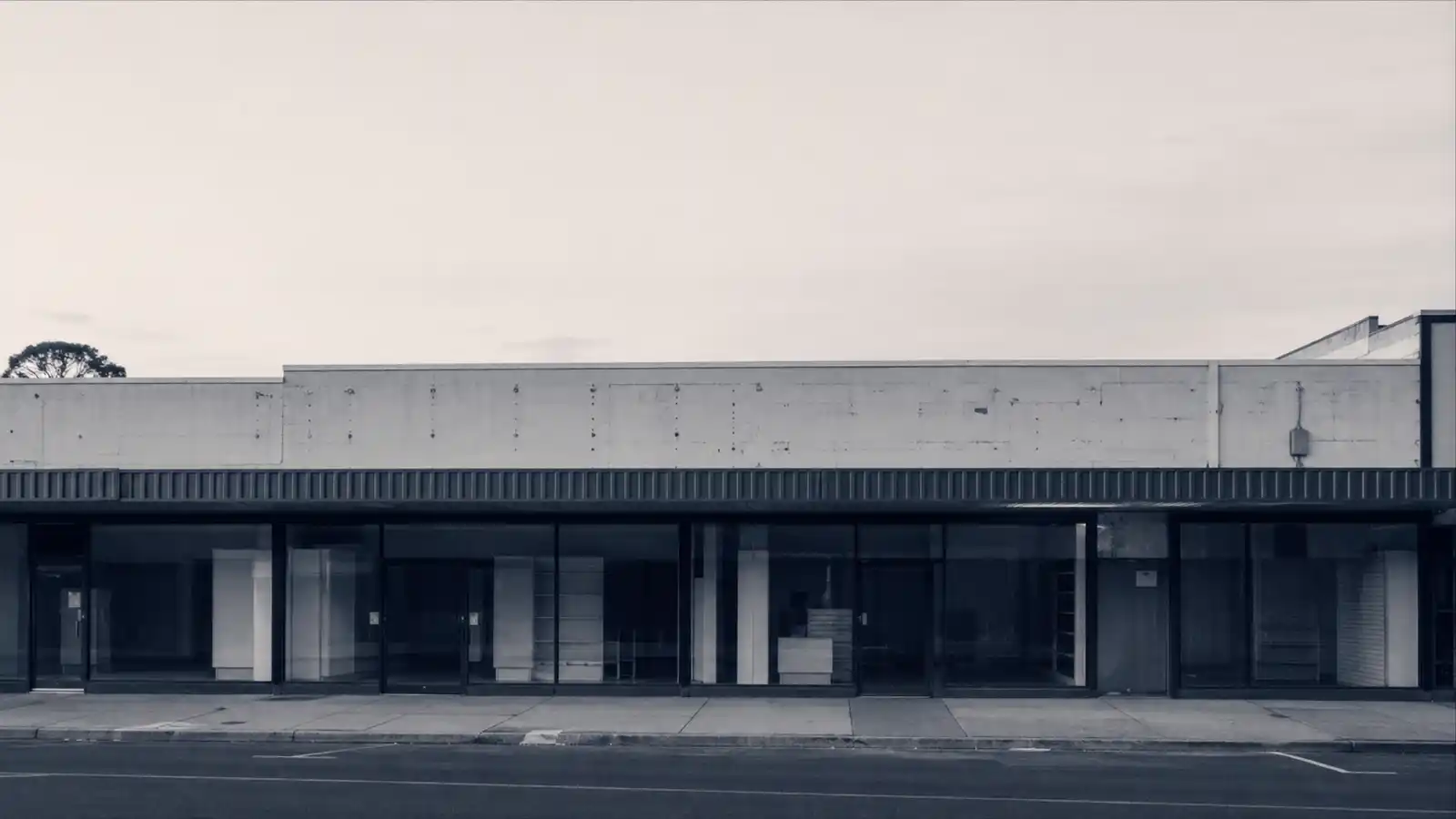
Vacant Commercial Property Insurance
Cover for unoccupied commercial buildings while you re-tenant, renovate or sell. Vacant property often sits outside standard insurer appetite - we place it through specialist underwriters.
Vacant
Specialists
6-12mo
Policy Terms
50+
Insurer Panel
Recognition

THE SHORT ANSWER
A vacant or unoccupied commercial building often sits outside standard insurer appetite, because an empty building carries a higher risk of undetected damage, water, vandalism and liability. Specialist underwriters will consider vacant property, usually with conditions - regular inspections, securing the building, restricted perils and shorter policy terms.
Vacant cover is typically arranged while you re-tenant, renovate or sell. Once the building is occupied again, it can usually move back onto standard commercial property terms with broader cover and fewer conditions.
- Mainstream insurers
- Usually decline
- Typical conditions
- Inspections / shorter term
- Common while
- Re-tenanting or selling
WHY IT'S HARD TO PLACE
Why vacant property is hard to insure
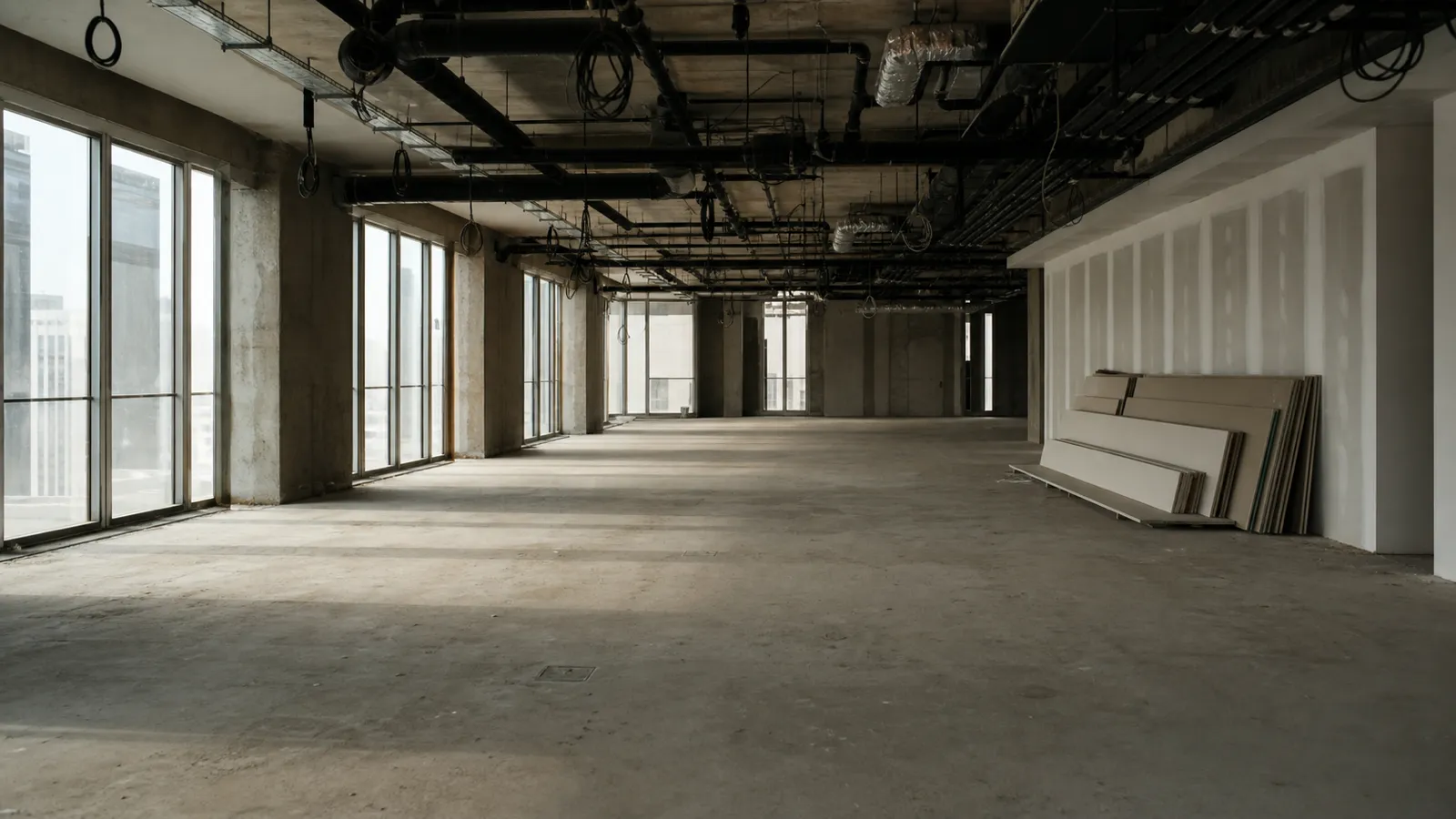
An empty building changes the risk. With no one on site, a problem can run on before anyone notices, the building is more exposed to people who should not be there, and there is no tenant keeping it maintained. That is why most standard insurers decline vacant property rather than price it - and why a specialist market is the right place for it.
01
Undetected Damage
Water, fire or storm damage can run on in an empty building with no one on site to notice it - so a small problem becomes a large claim.
02
Vandalism & Squatters
Empty buildings are more exposed to vandalism, squatters and theft of fittings, copper or materials, which insurers price heavily for.
03
Increased Liability
Trespassers on an unsecured site create liability exposure, and an empty building is harder to keep secure than an occupied one.
04
No One Maintaining It
With no tenant maintaining the building day to day, faults go unaddressed and lenders may still require cover on the empty asset.
THE RISK
What worries insurers about a vacant building
Each of these is a workable risk with the right specialist property market - they are the reasons a standard insurer steps back, not reasons cover does not exist.
POLICY CONDITIONS
Conditions insurers usually apply
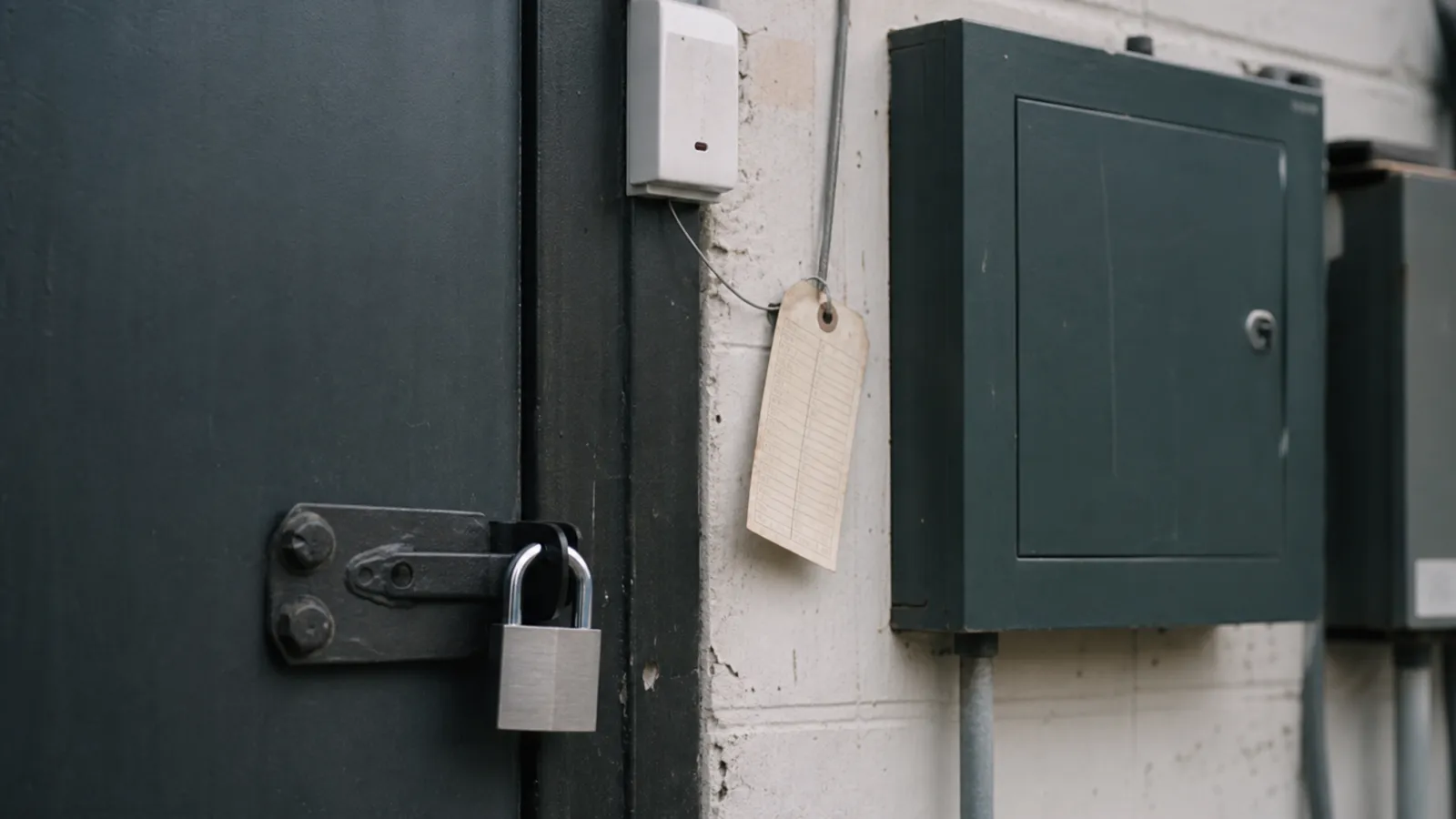
A specialist underwriter manages the risk of an empty building through conditions rather than a flat decline. These vary by building and market, but most vacant property policies carry some version of the following - and meeting them keeps the cover valid.
01
Regular Inspections
Documented inspections of the building, often weekly or fortnightly, so problems are picked up early rather than running on unnoticed.
02
Secure & Isolate
Securing or boarding up the building and isolating services such as water, gas and power to reduce the chance of damage or escape of water.
03
Restricted Perils
Some cover is commonly removed or limited while the building is vacant - malicious damage and escape of liquid are typical examples.
04
Shorter Policy Terms
Vacant property is usually written on a three, six or twelve month term rather than a standard annual policy, and reviewed as things change.
CASE STUDY
Declined for vacancy, then placed by us
A real placement from our commercial property book - declined by mainstream insurers for vacancy before we found the right specialist market.
Premiums and outcomes described are specific to each client and indicative only. Your own terms will depend on your circumstances and the insurer.
QUESTIONS
Vacant Commercial Property - Frequently Asked Questions
RELATED COVER & GUIDES
Where vacant and hard-to-place property fits
Sitting on an empty building? Speak with a broker who places vacant commercial property through specialist markets.
Talk to a Specialist Broker →
Got a Vacant Commercial Building to Cover?
Send us the building, the schedule and how long it is likely to sit empty. We will map the specialist markets that write vacant property and come back with terms - usually on a shorter policy while you re-tenant, renovate or sell.