
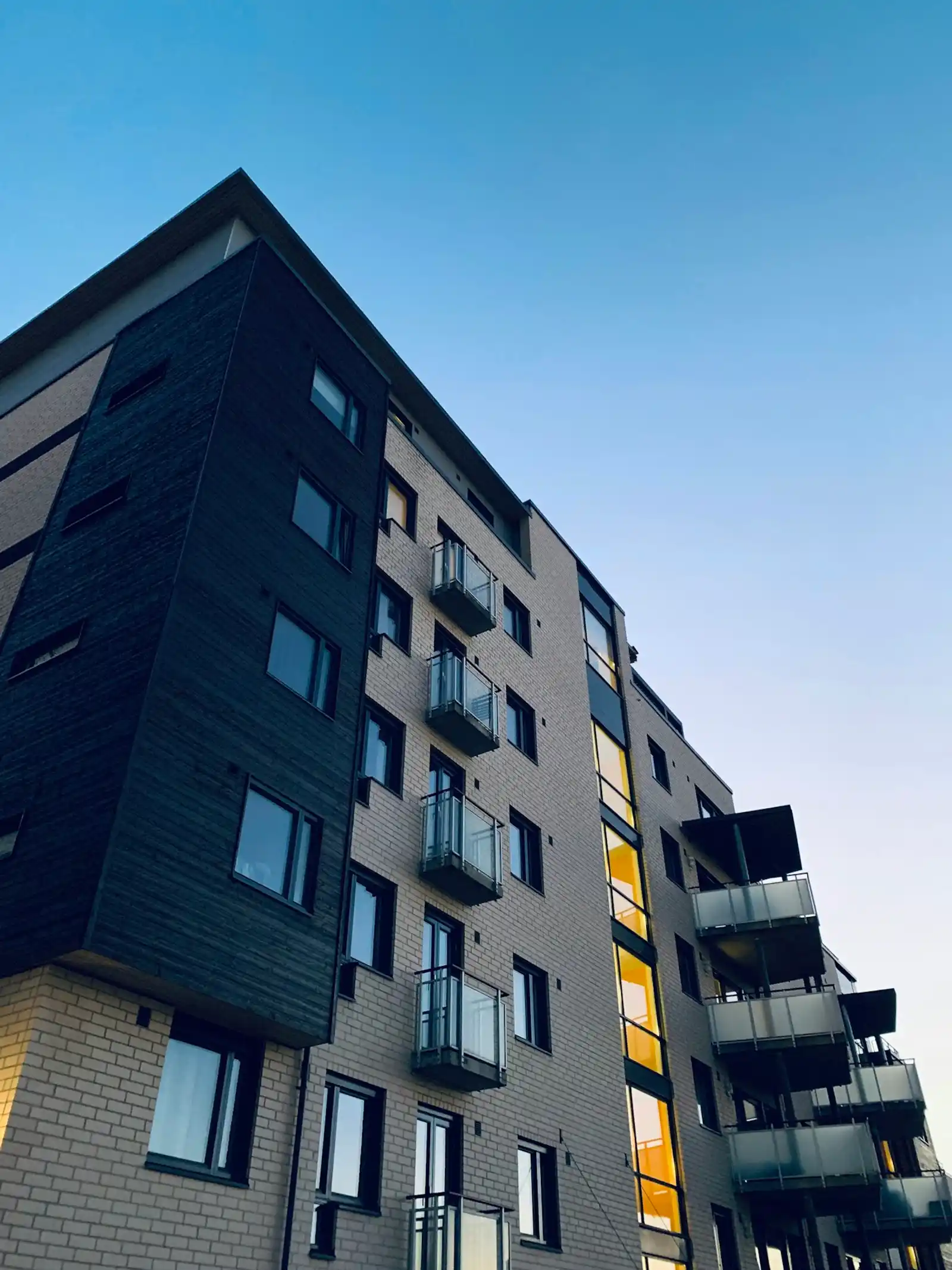
Block of Units Insurance
Owning a block of units (also known as a block of flats or multi-unit building) comes with unique responsibilities. By getting the right Block of Units Insurance, you can protect your asset and keep your tenants happy.
180+
Properties
$200M+
Protected
Zero
Call Centres
Recognition

The Tank take
Block of units insurance is a single policy covering an entire multi-unit residential building - the structure, common areas, public liability and loss of rent - where one owner holds every unit on one title. It applies to blocks of flats, apartment buildings and townhouse groups under single ownership, and typically costs between about $2,000 and $20,000+ a year depending on unit count, location and construction. If the units are individually owned under a strata plan, you need strata insurance instead - the title structure decides, not the building's appearance.
Understanding the product
What is Block of Units Insurance?
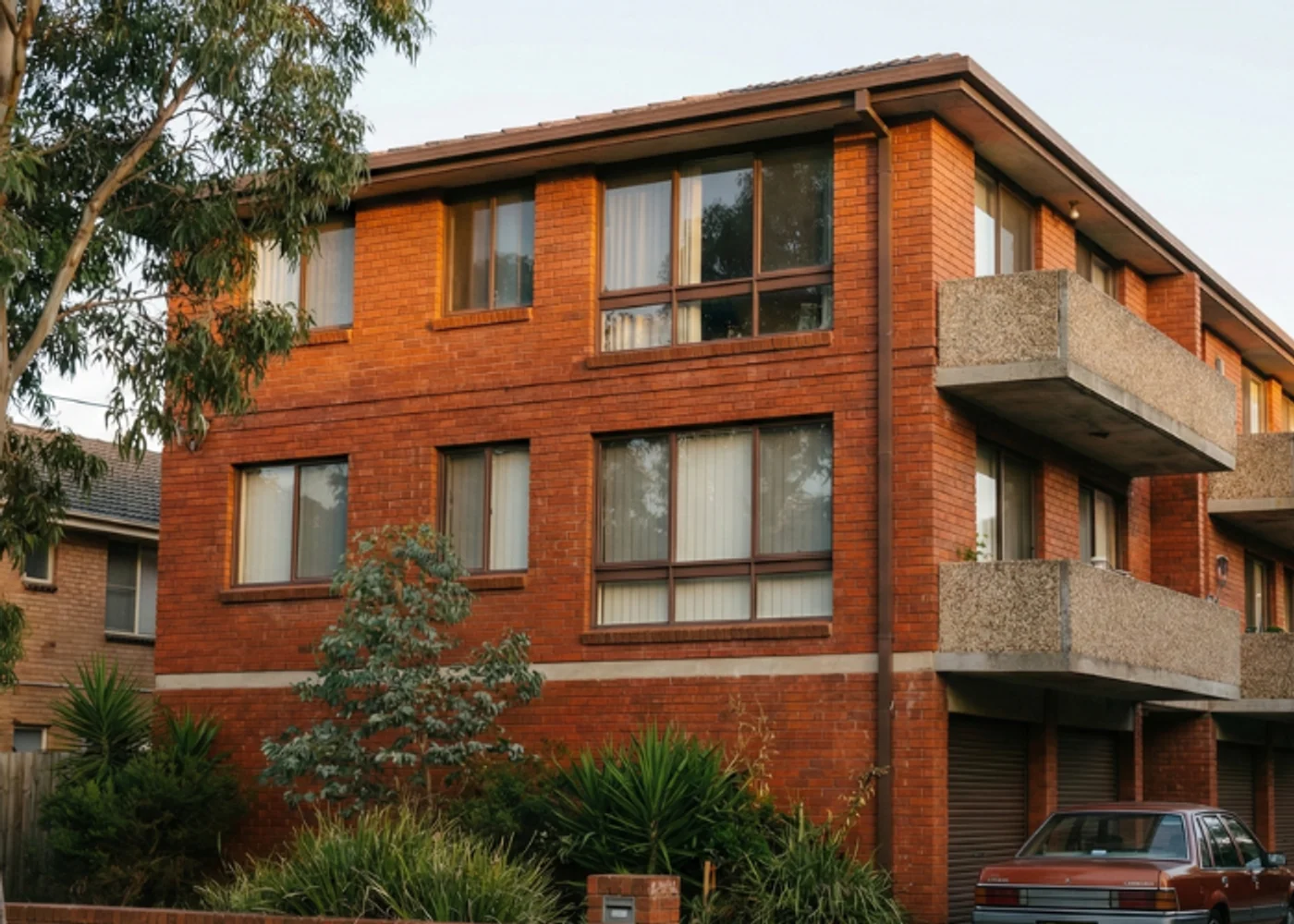
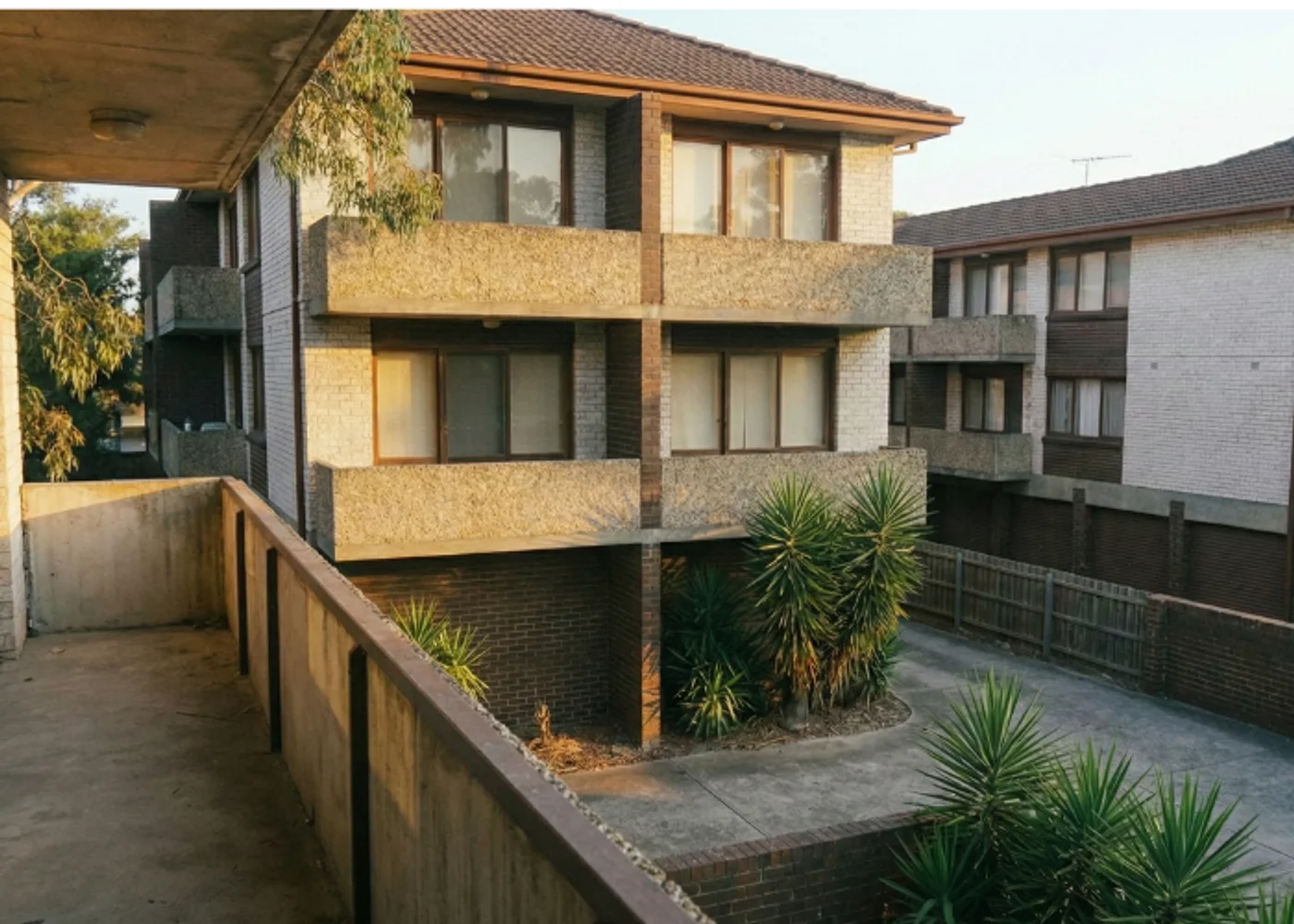
Block of Units Insurance (sometimes called block of flats insurance or multi-unit building insurance) is a specialised policy designed for owners of multi-unit residential buildings, such as apartment complexes or townhouses, where the entire property is under single ownership.
Unlike Strata Insurance, which covers buildings with multiple owners under a strata title, Block of Units Insurance is for properties where one entity owns all the units.

Marel Pencev
Principal Insurance Broker
The team behind your cover
Why Tank Insurance
Marel Pencev, our Director, leads property placements for blocks of units, landlord insurance, and non-strata residential properties. These placements are a core focus, handled multiple times a week - not a sideline.
I love working with block-of-units owners. A lot of the mainstream direct insurers are pulling out of this space - so when someone has been turned away and I can find them not just a solution but a competitive premium with solid cover, that's genuinely satisfying. These aren't easy wins, which is exactly why we focus on them.
Working alongside Marel on the property side is Erika David, who brings an account-management background from one of Australia's largest buyers' agencies, coordinating settlements and keeping client relationships moving. Together they've built deep relationships across the property industry - including buyers' agencies, real estate agencies, property management firms, and mortgage brokers - who send their clients to us specifically because they've seen us solve problems others couldn't.
Our track record
Why We Specialise in This
Over the past 12 months, we've seen a sharp increase in referrals from buyers' agents and property managers whose clients were getting declined by online insurers. Buildings that don't fit the "cookie-cutter" mold - older construction, higher sums insured, bushfire zones, unusual title structures - were being turned away with no explanation and no alternative.
We stepped in because we could actually help. We work with four buyers' agencies and a handful of property managers who now send us these placements regularly. It's become a core part of what we do - typically placing several block-of-units policies every week.
This isn't a pivot for us. We've been working in commercial property and landlord insurance for years, so blocks of units are a natural extension of expertise we already had.
Honestly? The market pushed us here.

The difference
What Actually Makes the Difference?
Let's be direct: most insurance brokers have access to the same markets we do. The difference is in how we use that access.

Erika David
Account Executive
We know how to present risk
Underwriters are more likely to quote when the submission is complete, accurate, and tells the right story. We've learned what each insurer needs to see.
We go deeper when others stop
When mainstream insurers decline, we have relationships with specialist underwriters who handle bushfire risk, flood exposure, heritage buildings, and high sums insured. We don't just send one quote request and wait - we work the phones.
We move fast
Many of our clients need cover before settlement. We understand that timeline pressure and prioritise accordingly.
PROVEN RESULTS
Recent Block of Units Insurance Placements
We handle these placements every week. These aren't just case studies; they're real examples of how we navigate the Australian insurance market to find solutions for complex, high-value, or hard-to-place apartment blocks. Insurer availability and terms change regularly - past placements don't guarantee future results from the same market.
Premiums and outcomes described are specific to each client and indicative only. Your own terms will depend on your circumstances and the insurer.
Have a block like these?
Send the address and unit count - a broker will tell you which markets fit before you commit to anything.
Market structure
Mainstream Insurer vs Specialist Underwriter
Blocks of units sit in an awkward spot for mainstream retail insurers - sum insured caps, unit count limits, and non-strata classification rules often close the door. Specialist underwriters write this class of risk every day. As a broker, Tank accesses both markets and places your risk with the insurer who actually wants it.
Tank Insurance is a broker, not an underwriter - we work across mainstream and specialist markets to find the right fit for your block.
Why owners move to specialist markets:
- Access to $3M, $4M and higher building sums insured
- Correct classification for multi-unit, single-title properties
- Appetite for bushfire, coastal and larger-block risks
- Dedicated claims advocacy through your broker, not a call centre
Protecting your investment
Why You Need Block of Units Insurance
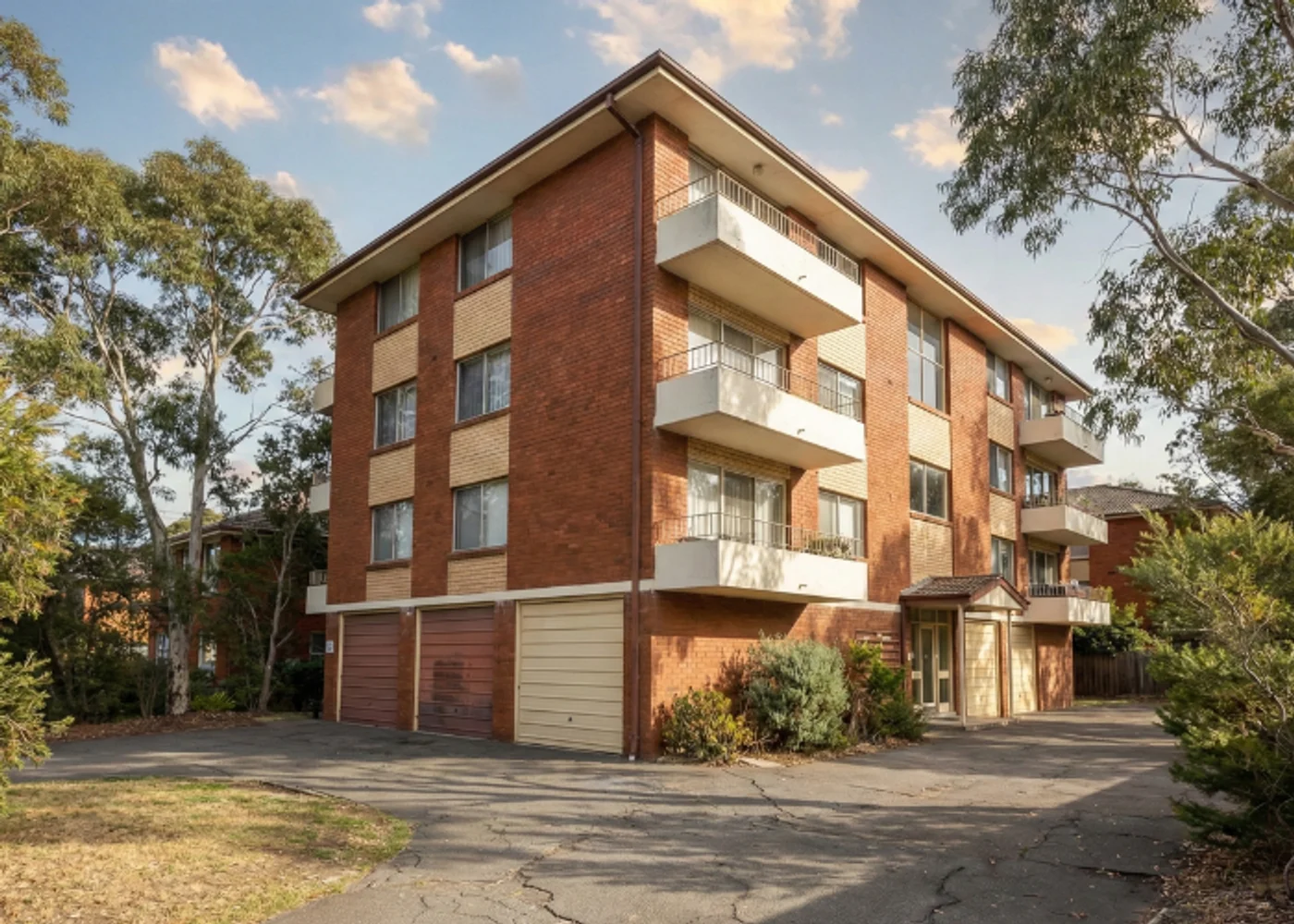
Owning a block of units means you're responsible for the entire property, from the building structure to shared spaces including hallways, stairwells or gardens. Here's why Block of Units Insurance is a must:
01
Asset Protection
Your property is a valuable asset. This policy covers repair or rebuilding costs if your building is damaged by events such as fires, storms, or vandalism.
02
Liability Coverage
If a tenant or visitor is injured on your property due to a maintenance issue (e.g., a slippery staircase), you face legal claims. Liability coverage manages these risks.
03
Tenant Retention
Keeping your property in good condition with insurance-backed repairs ensures safety and satisfaction, reducing vacancy rates and turnover.
04
Liability Protection
Public liability cover is important for any block owner. If a visitor slips in the common driveway or a tradesperson is injured in a shared area, you're personally exposed. The right cover manages that risk.
Coverage breakdown
What Does Block of Units Insurance Include?
A comprehensive Block of Units Insurance policy typically includes coverage for the building and property structure, public liability for common areas, and loss of rent. Depending on the property, we may also look at optional extras relevant to the building's specific features. You can click on the sections below to expand and see the detailed breakdown of what is covered under each category.
01 Building & Property +-
Building Coverage
This protects the physical structure of your property, including walls, roofs and fixed fixtures such as air-conditioning units or solar panels. It covers damages from insured events (e.g., fire, storms or earthquakes).
Contents in Common Areas
Covers items in shared spaces, like furniture in a lobby or equipment in a communal laundry. Learn more about contents cover.
Loss of Rent
If your units become uninhabitable due to an insured event (e.g., fire), this coverage compensates for lost rental income during repairs.
Removal of Debris
After an insured event, this covers the cost of clearing debris, which can be significant. Some policies include this automatically, while others require it to be added to your building sum insured.
02 Liability & Extras +-
Public Liability
Covers legal and compensation costs if someone is injured or their property is damaged due to an issue on your premises, such as a fall in a common area.
Optional Extras
Depending on your property, you might consider adding coverage for flood damage, legal expenses, or machinery breakdown. Machinery breakdown is relevant if the block has a communal laundry, a lift, or shared pumps - we ask about these in the initial conversation to work out whether it's worth including.
Comparison
How is Block of Units Insurance Different to Strata Insurance?
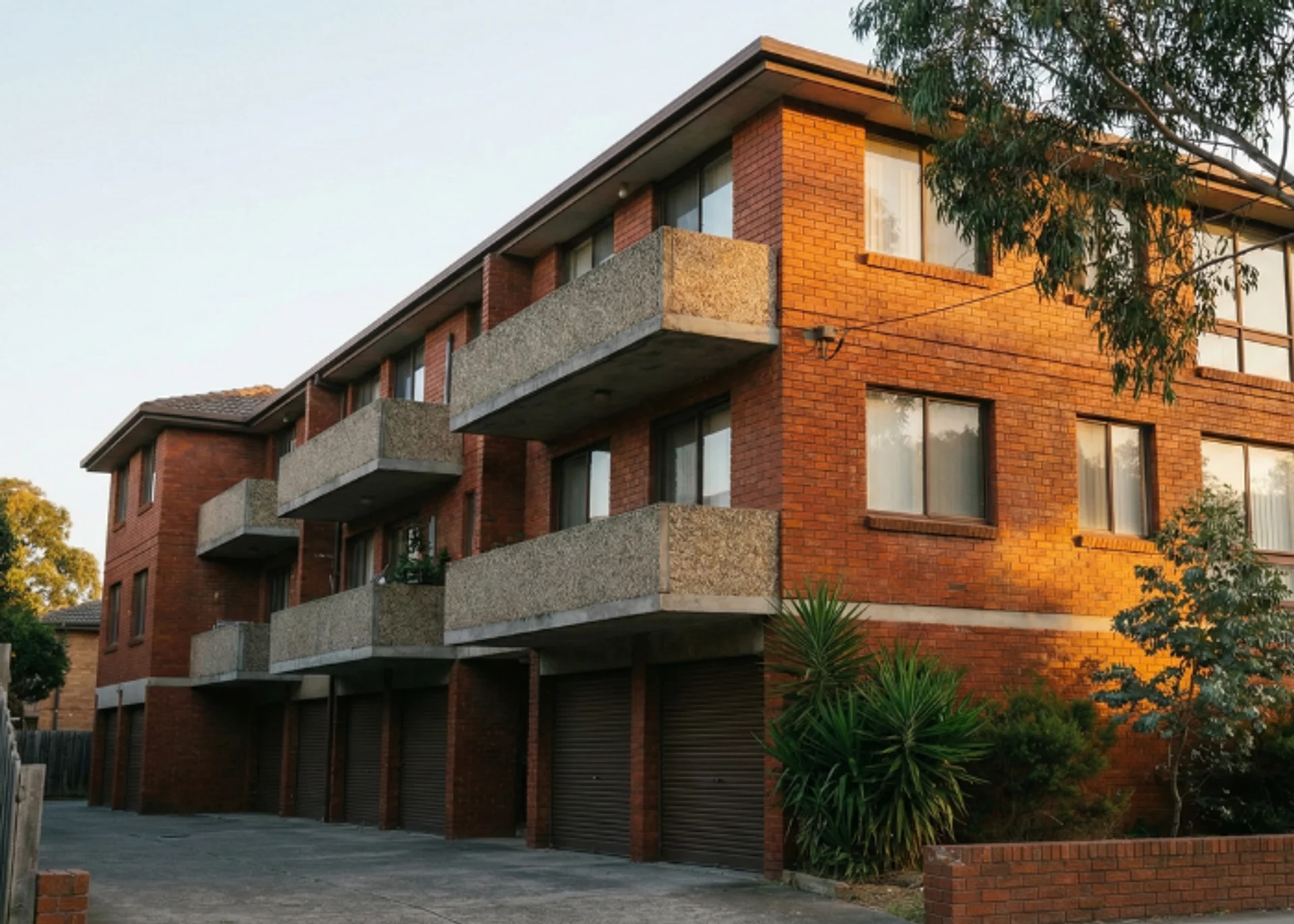
Block of Units Insurance is for single ownership, where one entity owns the entire building and needs one policy covering the structure, common areas, and liability. Strata Insurance is for multiple owners under a shared strata title, where the owners corporation insures the building and each owner insures their individual unit separately.
Block of Units Insurance
Single Ownership
You own the entire title. One policy covers the structure, common areas, and liability.
Strata Insurance
Multiple Owners
Shared ownership via a strata title. The corporation insures the structure; you insure your unit.
What to look for
What's Important to Consider for Block of Units Insurance?
Here are the things to keep in mind when selecting your policy:
01
Accurate Sum Insured
Work with us to calculate the full replacement cost of your building, including unique features such as lifts. Underinsurance could leave you out of pocket after a claim.
02
Policy Exclusions
Check what's not covered, such as wear and tear or unoccupancy clauses, which could affect coverage if units are vacant for long periods.
03
Insurer Reliability
Choose insurers with a strong track record. Reach out to our team for assistance. We work with a panel of Australian-approved insurers to find reliable, competitive options that fit your needs.
04
Claims Support
We'll help you manage your claims, liaising with insurers to support a smooth process and fair outcome.
05
Compliance with Regulations
Make sure the policy includes adequate public liability cover for the common areas and meets any lease or finance requirements.
Getting started
How to Get Block of Units Insurance
Ready to protect your block of units? Here is the roadmap:
Contact Tank Insurance
Reach out to our team via phone, email or online form.
Share Your Details
Provide information about your property size, location and features so we can assess your needs.
Receive Quotes
We compare options from our panel of insurers to find you the most competitive cover.
Choose Your Policy
We'll explain each option to you, helping you select the coverage that best fits your budget.
Stay Protected
With your policy in place, we provide ongoing support, from renewals to claims.
Support
Frequently Asked Questions About Block of Units Insurance
Partial occupancy: Long-term vacancy across part of a block affects both appetite and premium. Most insurers get uncomfortable once vacancy sits above roughly 20-30%, but the threshold varies by insurer - there's no universal rule.
Renovation periods: If units are vacant due to renovation, this alters the risk profile and may require a "Works in Progress" notation or a separate Construction policy.
Important: Always notify us if occupancy levels drop significantly. Failure to disclose a change in the risk could prejudice a future claim.
– Malicious Acts: A tenant smashing walls or doors.
– Rent Default: Loss of income if a tenant stops paying.
To be covered, it is generally recommended to arrange a policy that specifically includes Loss of Rent and Malicious Damage, or arrange separate Landlord Insurance policies for the individual units.
Tank Tip: We have access to specialised markets that bundle this together in one policy. For example, we work with an insurer that includes cover such as $70,000 contents as standard, simplifying the need for separate landlord policies.
Liability Exposure: The biggest risk is Public Liability. If a paying guest slips and falls in the stairwell, a standard home and contents policy will likely decline the claim. A specialised policy ensures this commercial-style liability is covered.
Wear and Tear: Be aware that even specialised policies generally exclude "wear and tear" caused by high turnover, but they will cover malicious damage caused by guests.
Some residential insurers will still write the risk by endorsement once the underwriter reviews the residential-to-commercial ratio. When residential drops below 50% and commercial exceeds it, most mainstream markets decline and we refer into specialist underwriters. Depending on the mix, we'll place on a residential policy with a mixed-use endorsement, a commercial property policy, or an Industrial Special Risks policy.
Tenant type and insurer appetite: The type of tenant matters. A florist tends to sit more comfortably within insurer appetite than a takeaway shop using deep fryers (higher fire load).
Fire ratings: Commercial tenants may trigger different fire safety compliance requirements for the whole building.
Expert insight: Insurers assess occupancy ratios differently. The same building can get quoted by one market and declined by another based on how they weigh the commercial component. We know which markets have appetite for different ratios and what information to include in the submission.
RELATED GUIDES