
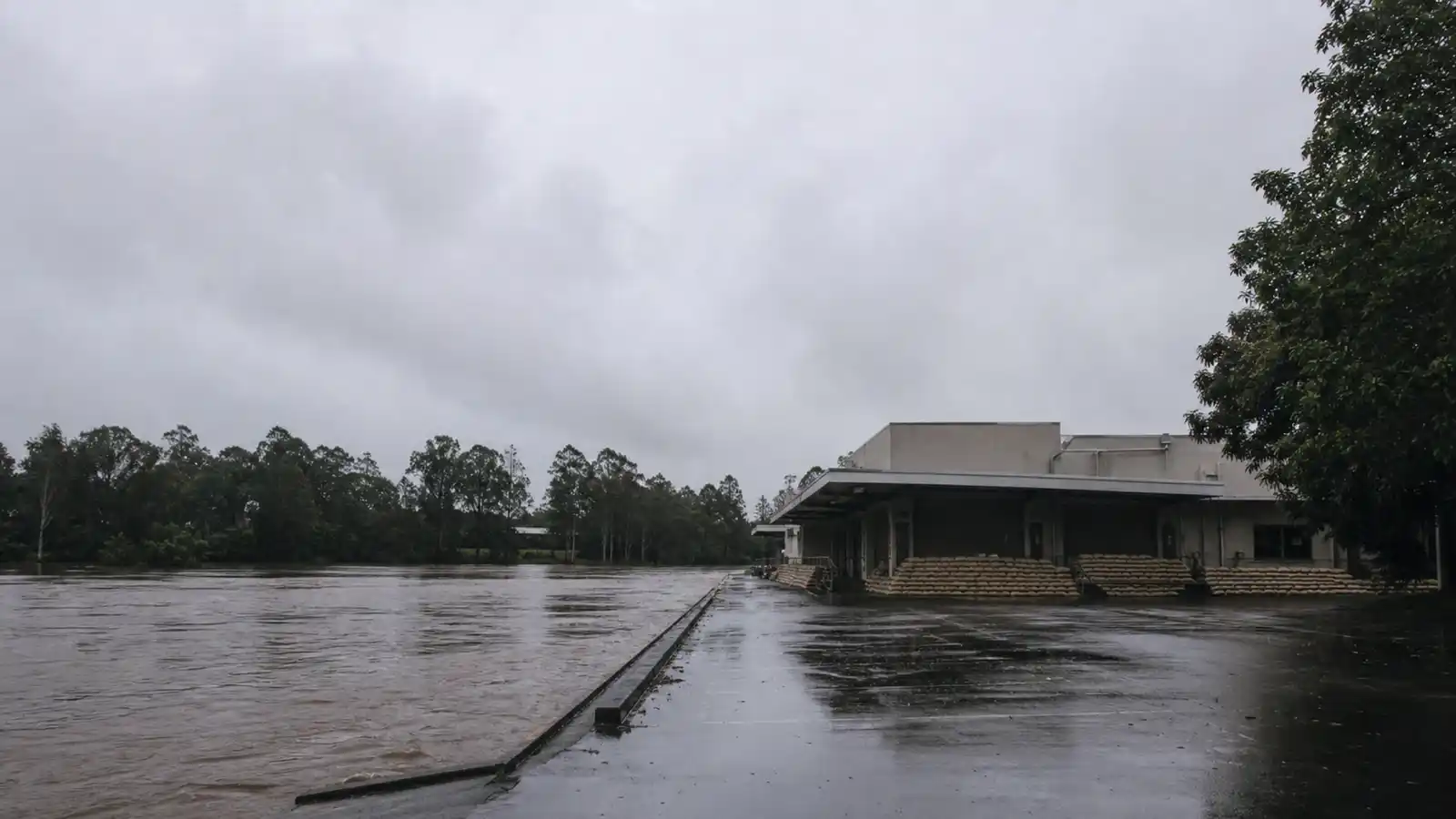
Flood-Zone Commercial Property Insurance
Mainstream insurers often decline or exclude flood. We work with the specialist and ISR markets that still write flood-exposed commercial buildings when the risk is presented properly.
Flood
Specialists
ISR
Where needed
50+
Insurer Panel
Recognition

THE SHORT ANSWER
Flood-exposed commercial property is one of the harder property risks to place. Mainstream insurers often decline it or exclude flood, but specialist underwriters - frequently through an Industrial Special Risks (ISR) policy - will still write flood-zone buildings. Expect a higher premium and, in most cases, a flood sub-limit or a higher flood excess. See our ISR insurance page for how the policy is structured.
The more an underwriter can see - a current flood study, floor levels, mitigation and claims history - the more accurately the building can be priced and the more markets we can approach with it.
- Often placed as
- ISR with flood
- Expect
- Higher premium / excess
- Helps
- Flood data & mitigation
WHY IT HAPPENS
Why flood-zone property gets declined
A flood decline rarely means the cover does not exist. It usually reflects how one insurer manages catastrophe exposure - and the same building can look very different to a specialist property market that is set up to write flood.
01
Catastrophe Accumulation
Insurers cap how much flood risk they will hold in one area. Once an insurer reaches its accumulation limit in a postcode, it stops writing flood there - regardless of the individual building.
02
High Flood Mapping Band
If ARI or flood mapping places the site in a high band, a mainstream insurer may decline or exclude flood outright rather than price the exposure.
03
Past Flood Claims
A history of flood claims on the building, or ground-floor stock and contents sitting at the flood level, can push the risk outside a standard insurer's appetite.
04
Flood Excluded Entirely
Many mainstream policies exclude flood altogether, so the building is left without flood cover even where the rest of the property is insured.
WHAT HELPS
What helps us place a flood-exposed building
The more an underwriter can see, the more markets we can approach and the more accurately the flood risk can be priced. These are the details that move a flood-zone building from decline to terms.
CASE STUDY
A flood-zone building, placed
A real placement from our commercial property book - declined by every mainstream insurer we approached before we found the specialist market that would write flood.
Premiums and outcomes described are specific to each client and indicative only. Your own terms will depend on your circumstances and the insurer.
QUESTIONS
Flood-Zone Commercial Property - Frequently Asked Questions
RELATED COVER & GUIDES
Where we place flood-exposed commercial property
Got a flood-exposed building or a flood decline? Speak with a broker who places flood-zone commercial property.
Talk to a Specialist Broker →
Flood-Zone Commercial Property to Place?
Send us the address, the schedule and any flood data or declines. We will map the specialist markets that still write flood and come back with terms - before your deadline.