
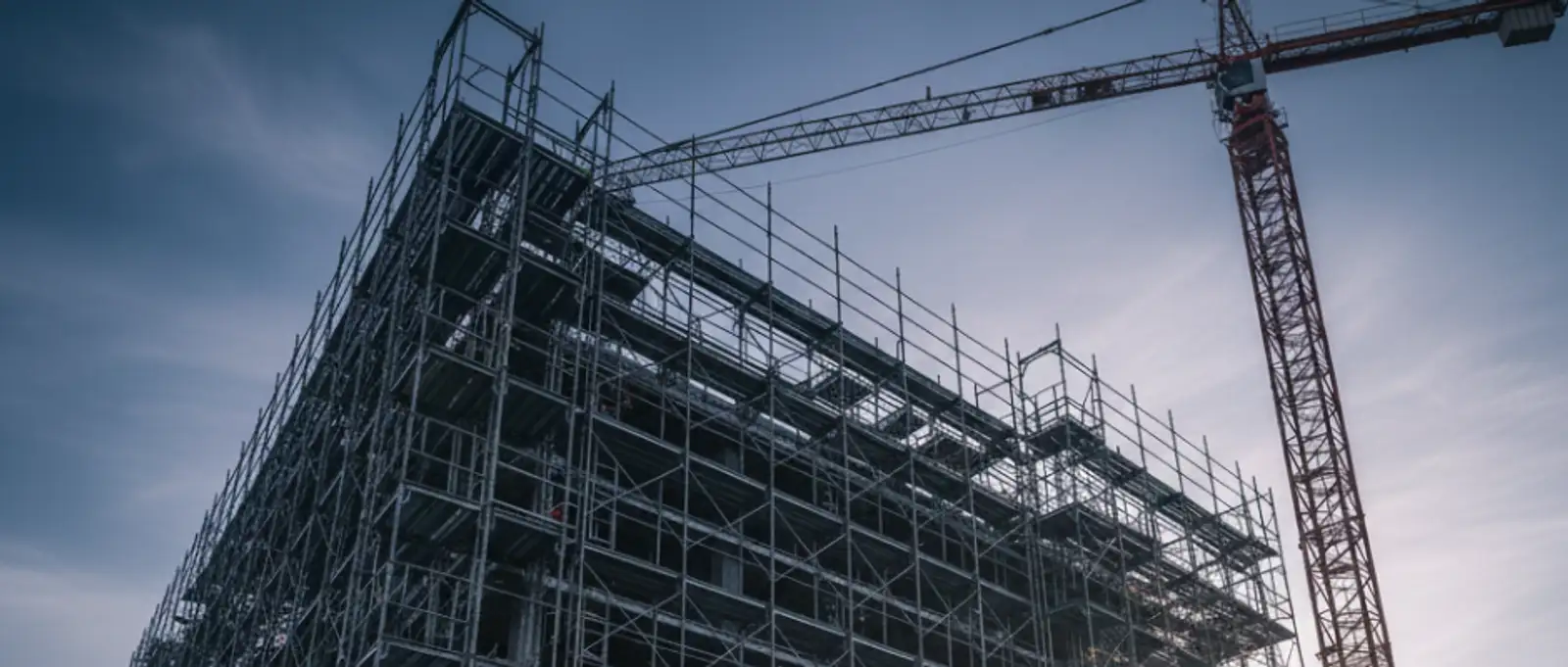
Scaffolding Insurance
We help scaffolders find public liability cover when mainstream insurers won't quote.
5+
Insurers Available
100%
Independent Broker
Specialist
Market Access
Recognition

Access to Australia's leading insurers and underwriting agencies, including:
















Scaffolding is an industry where getting insurance isn't as simple as filling out a form. Most mainstream insurers decline the moment they see the occupation field.
Risk Expertise
It's not that scaffolders are bad risks—it's that standard systems lack the expertise to assess them. We look at the actual risk: working heights, residential vs commercial splits, and crew experience.
Underwriter Presentment
Details matter. Presenting your safety processes, height limits, and project history properly can be the difference between an outright decline and a competitive, specialist quote.
RISK ARCHITECTURE
What we typically arrange for scaffolders
Public liability is the main cover scaffolders need. Most clients go for $20 million, which is what principal contractors and builders usually require. We can also look at $10 million if that suits your work.
We can help with tools and equipment cover for your scaffolding business.
Commercial motor for your vehicles.
Contract works insurance if you're taking on project-based work.
Most scaffolders need some combination of these core covers to satisfy site requirements and protect their assets.
Why scaffolding insurance is hard to place
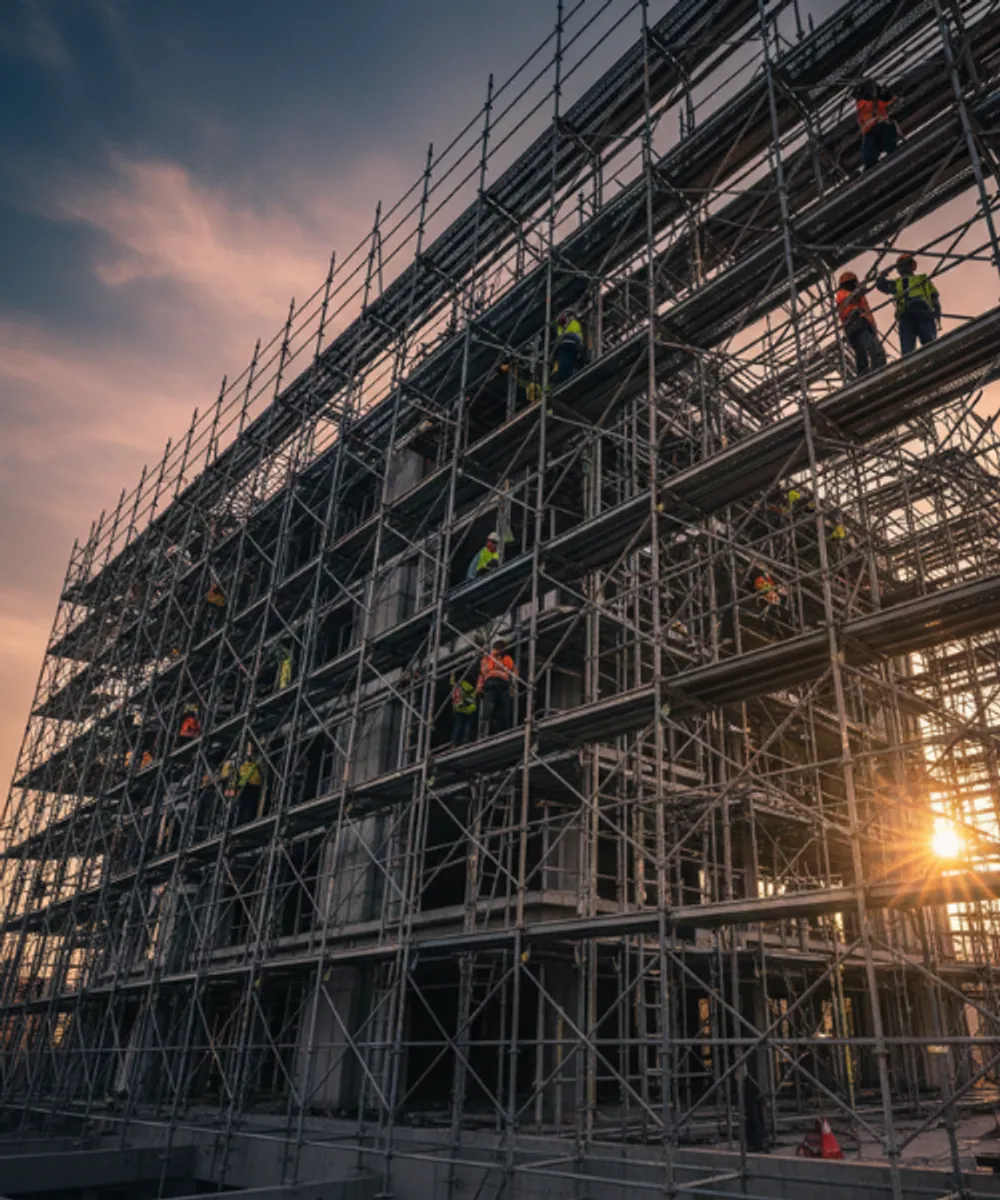
Insurers see scaffolding as high-risk for a few reasons. You're working at height, often on construction sites with other trades around, and there's potential for property damage or injury if something goes wrong. The occupation alone is enough for many insurers to decline without looking further.
But not all scaffolding work is the same. A sole trader doing residential edge protection up to 10 metres is a different risk profile to a company running crews on high-rise commercial sites. We make sure underwriters understand what you actually do, not just what your ABN says.
The right market depends on your specific situation, including height limits, project types, and turnover.
Underwriters we work with
We have access to markets that will consider scaffolding, including High Street Underwriting Agency and Lion Underwriting.
For more complex or higher-risk situations, we can also approach specialist underwriting agencies with access to Lloyd's of London.
PLACEMENT ARCHIVE
How we've helped
Recent placements for scaffolders who were previously declined by mainstream markets.
TECHNICAL ANALYSIS
What we need to know to quote you
To get you accurate quotes, we'll ask about these key business metrics and risk factors.
Your maximum working height
The split between residential and commercial work
Your expected turnover for the next 12 months
How much you pay subcontractors (if any)
Your experience in the industry
Any previous claims or incidents
Your maximum working height
The split between residential and commercial work
Your expected turnover for the next 12 months
How much you pay subcontractors (if any)
Your experience in the industry
Any previous claims or incidents
KNOWLEDGE BASE
FAQs

Get the right cover for your scaffolding business
Call us on 02 9000 1155 or request a quote online.