
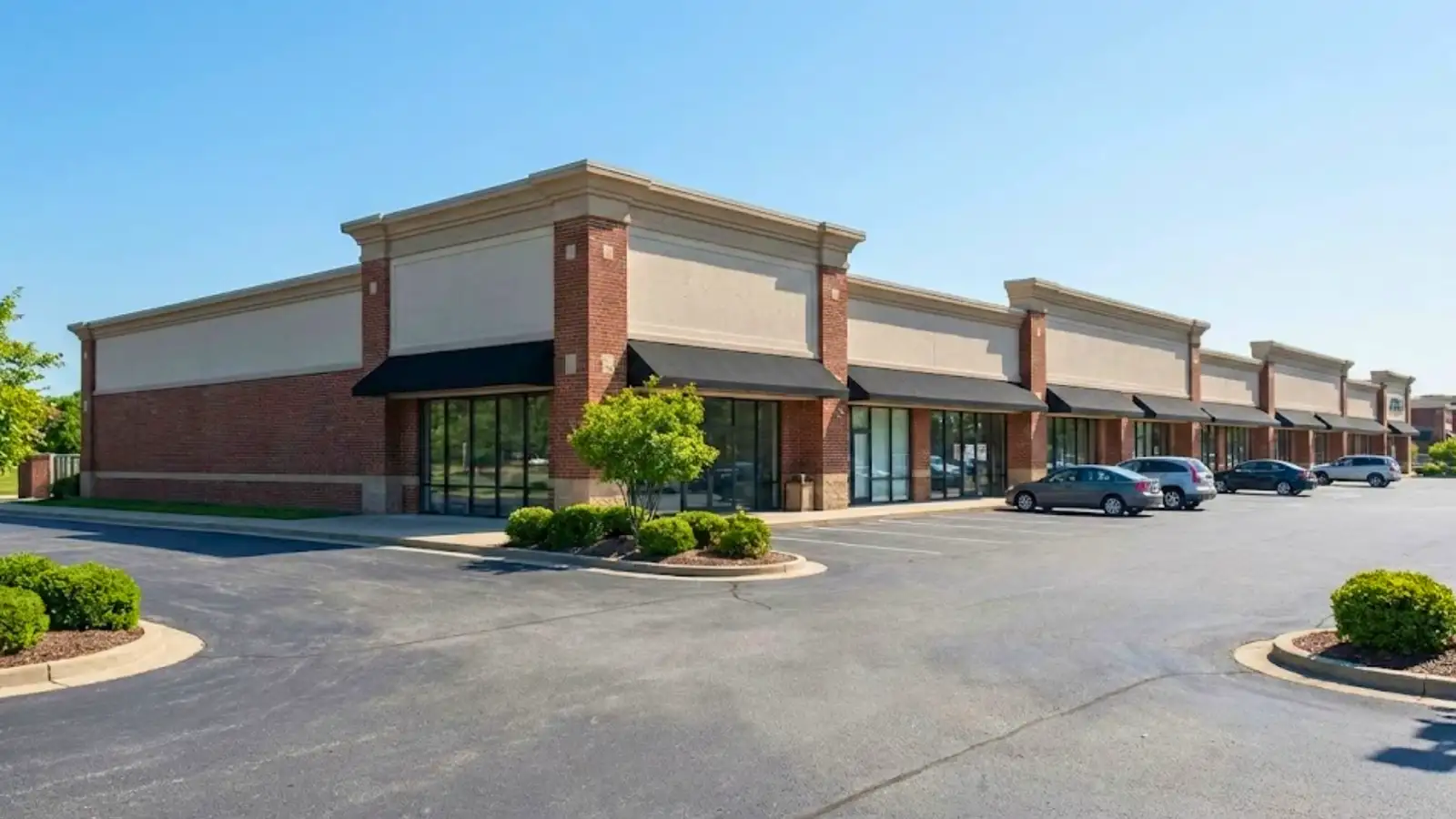
Local Strip Mall Insurance
Cover for neighbourhood shops, retail complexes, and local shopping centres across Australia.
Member
Steadfast Group
$50M+
Protected
Zero
Call Centres
Recognition

Introduction
Owning a small retail complex or neighbourhood shopping centre comes with risks that standard policies aren't built for.
Multiple tenants, different business types, shared common areas, and exposure that sits somewhere between a single commercial property and a large managed shopping centre.
If you've got a butcher, a café, and a hairdresser all under one roof, you need cover that accounts for varying fire risks, public access, and tenant mix without forcing you into an expensive strata-style policy.
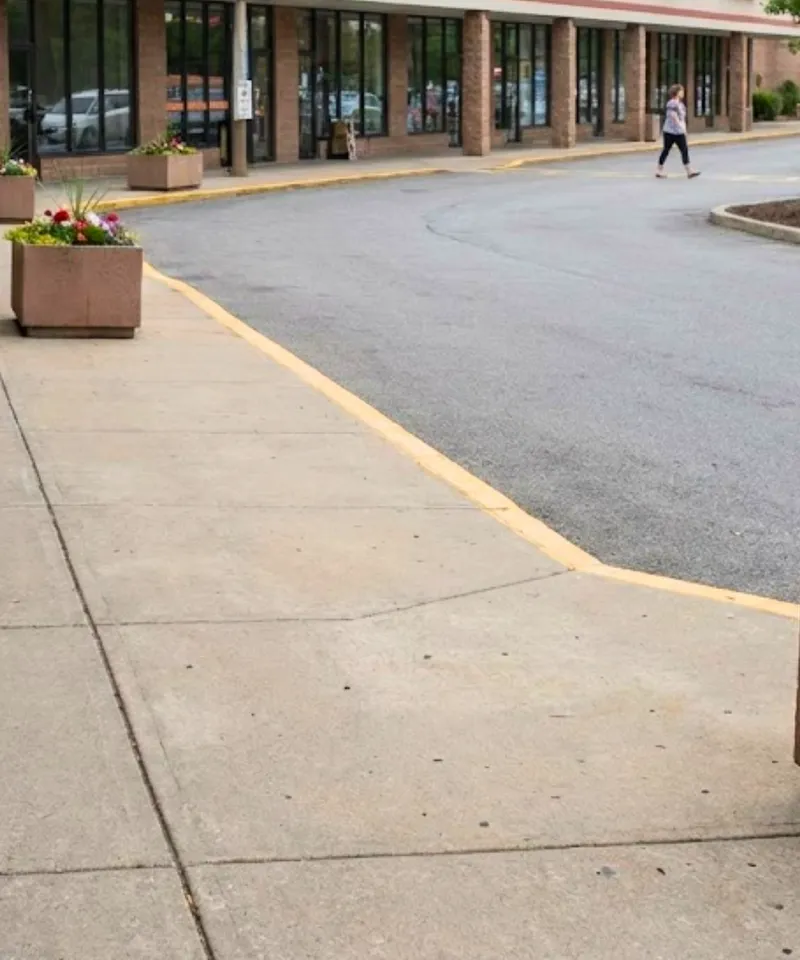
What We Cover
Building a Protection Programme
We arrange cover for owners of small retail properties, neighbourhood shopping centres, and mixed-use buildings. This includes:
Building and contents
Signage and outdoor areas
Flood endorsements
Public liability
Rental income protection
Tenant default cover
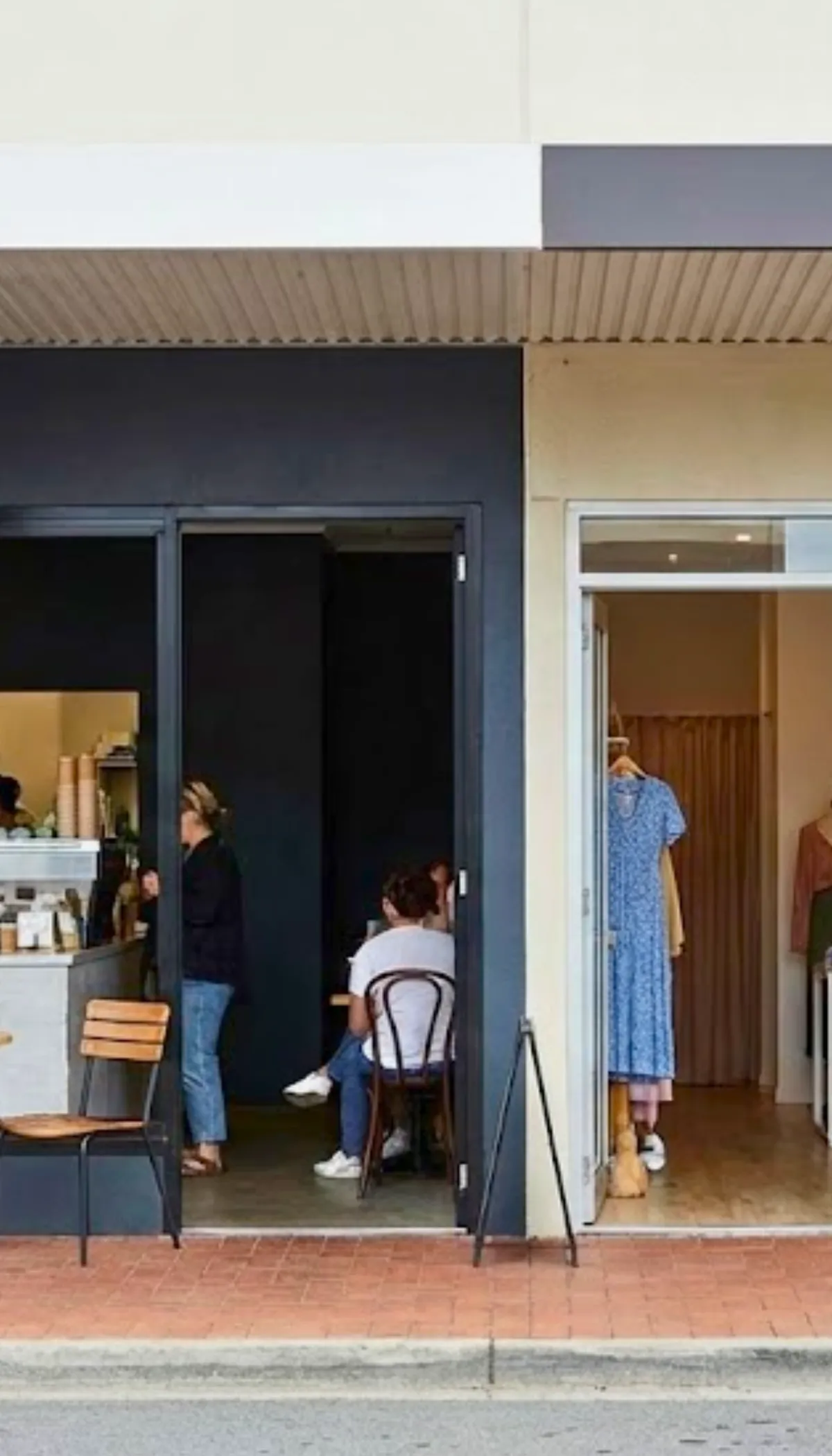
Why Strip Malls Are Hard to Insure
Navigating the Appetite Gap
Small retail properties fall into an awkward spot. Too complex for standard commercial property policies, not big enough for full ISR (Industrial Special Risks) cover used by large shopping centres.
Common reasons insurers decline:
Tenant mix
Food preparation, deep fryers, and extraction systems increase fire risk. Some insurers won't quote if there's a café or takeaway on-site.
Mixed-use buildings
Residential upstairs, retail downstairs. Doesn't fit neatly into commercial or residential appetite.
Building age and construction
Older buildings, fibro, original wiring, heritage listings all make placement harder.
Fire protection gaps
No sprinklers, unmonitored alarms, or poor fire separation between tenancies.
Flood zones
Properties in flood-prone postcodes get knocked back by most mainstream insurers.
Case Studies
How We Place Difficult Risks
If you've been knocked back or quoted premiums that don't make sense, there are options. It takes knowing which underwriters will actually consider the risk.
What We Need to Quote
Streamlining the Quote Process
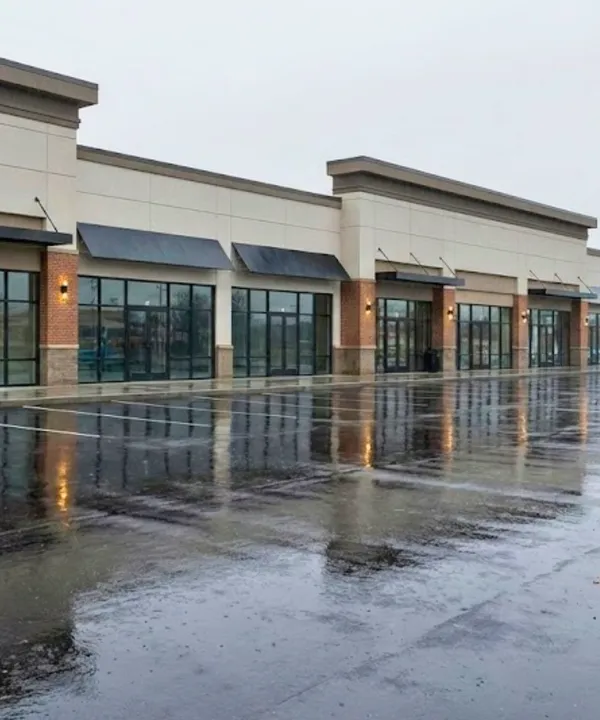
To get accurate quotes from the right underwriters, we need:
Age and construction type (brick, fibro, weatherboard, concrete); Roof material and rewiring date; Total building sum insured
Business types on-site; Percentage split between retail, office, food, and residential
Sprinklers, alarms (monitored or local), extinguishers; Fire doors and separation between tenancies
Claims history (last five years); Flood zone, bushfire zone, or coastal exposure
Are tenants required to hold their own insurance? Liability and property cover requirements in tenancy agreements
Support
Frequently Asked Questions
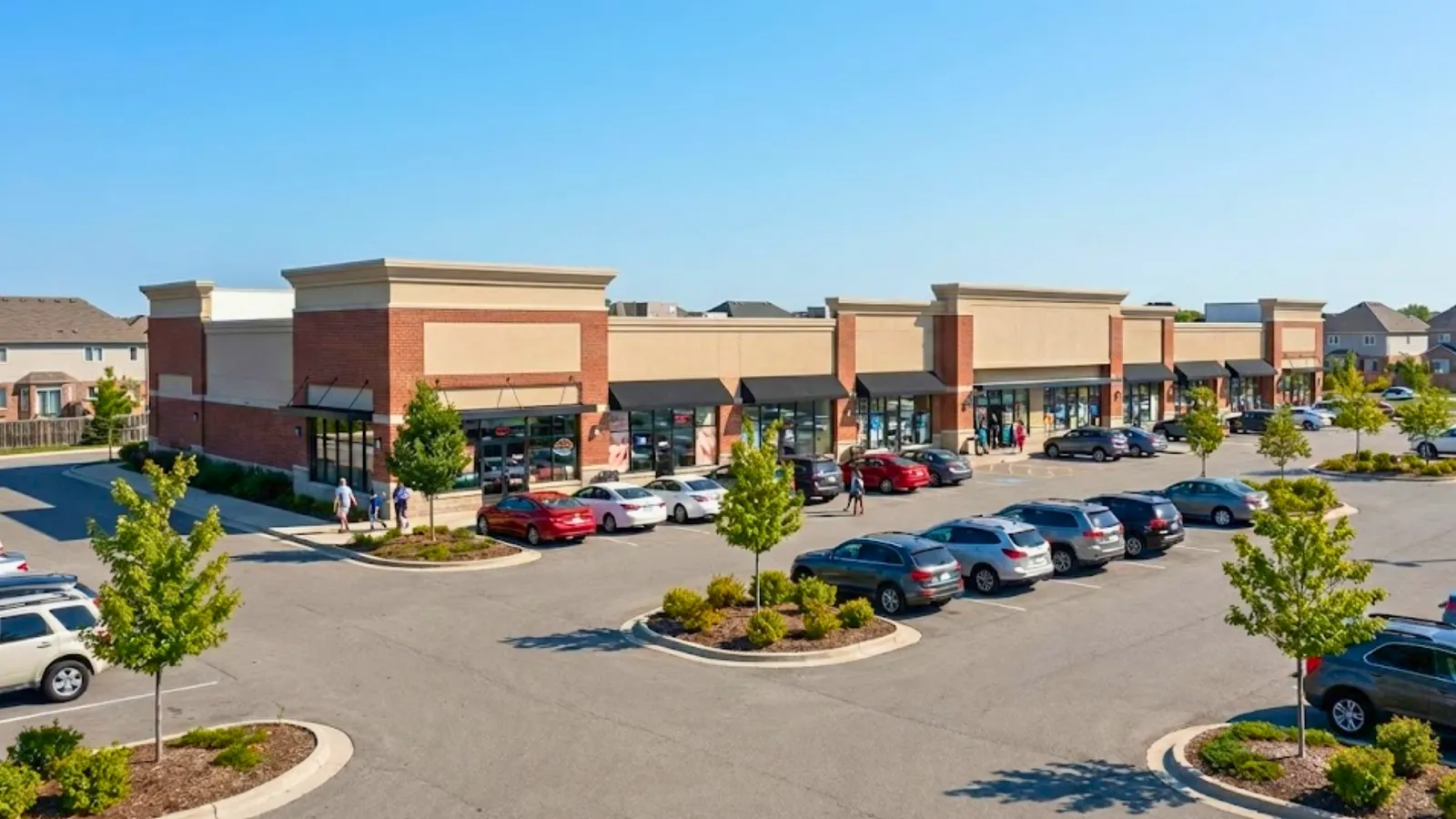
Get the Right Cover for Your Local Shopping Centre
We work with property owners Australia-wide. If you've been knocked back, told it's too hard, or you're paying more than it is recommended to, get in touch.
Call us on 02 9000 1155 or request a quote online.